

Complete Guide to Ambubachi Mela 2026 in Guwahati – Travel, Stay & Tips
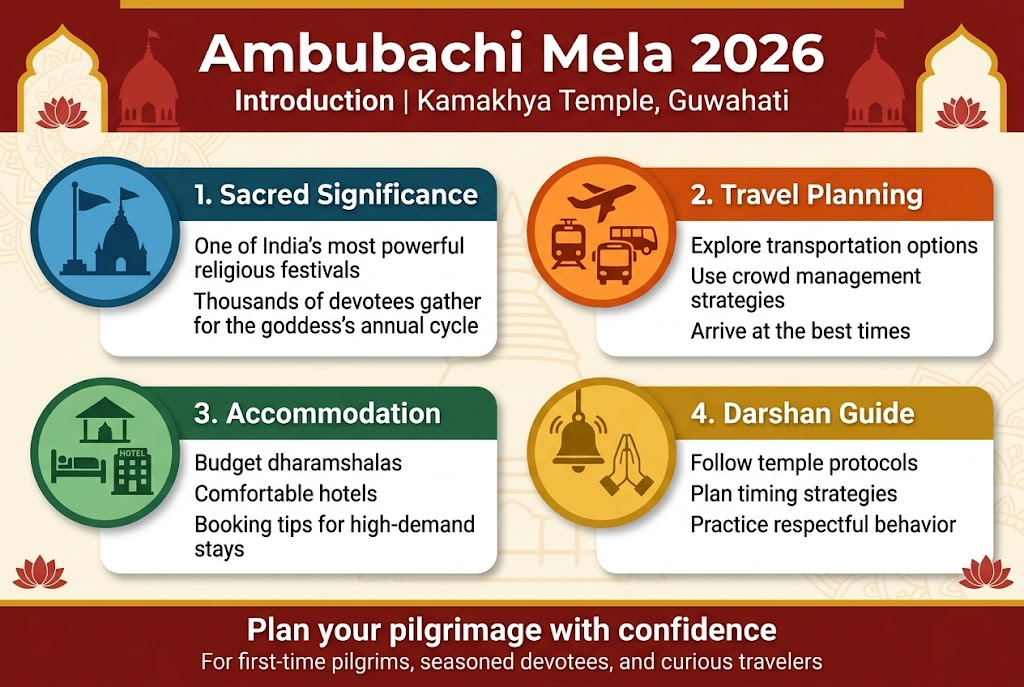
Planning your spiritual journey to Ambubachi Mela 2026 at Kamakhya Temple in Guwahati? You’re about to experience one of India’s most powerful religious festivals, where thousands of devotees gather to celebrate the goddess’s annual cycle.
This Ambubachi Mela travel guide is designed for first-time pilgrims, seasoned devotees, and curious travelers who want to navigate this sacred Assam religious festival 2026 with confidence. You’ll discover everything from the festival’s deep spiritual significance to practical travel arrangements that make your pilgrimage smooth and meaningful.
We’ll walk you through essential travel planning that covers transportation options, crowd management strategies, and the best times to arrive.
You’ll also get insider knowledge about Ambubachi Mela accommodation choices – from budget dharamshalas to comfortable hotels – plus proven booking tips that help you secure the perfect stay during this high-demand period.
Most importantly, you’ll learn the complete darshan guide with proper temple protocols, timing strategies, and respectful practices that enhance your spiritual experience at this sacred Kamakhya Temple pilgrimage site.
Discovering the Spirit of Ambubachi - The Sacred Festival
Historical significance and religious importance of the festival
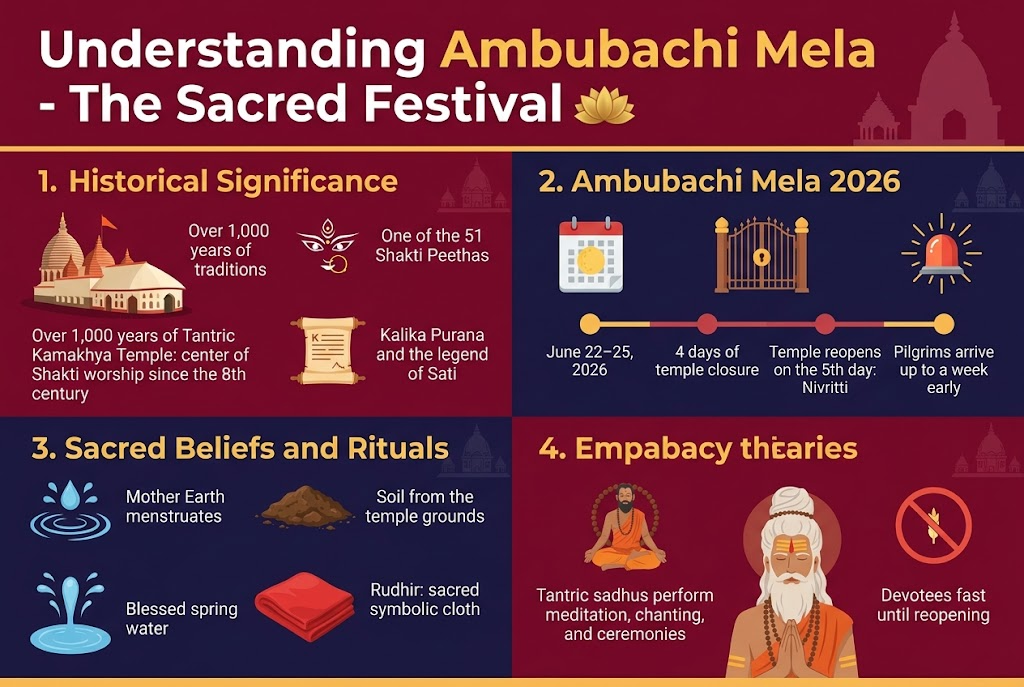
The Ambubachi Mela represents one of India’s most profound spiritual gatherings, deeply rooted in Tantric traditions that date back over a millennium. You’ll discover that this festival celebrates the annual menstruation cycle of Goddess Kamakhya, transforming what many cultures consider taboo into a sacred celebration of divine feminine power.
When you explore the historical context, you’ll find that the Kamakhya Temple has been a center of Shakti worship since the 8th century. Ancient texts like the Kalika Purana describe this site as one of the 51 Shakti Peethas, where Sati’s yoni (reproductive organ) fell when Lord Shiva carried her body across the universe. This legend makes your pilgrimage to Kamakhya Temple during Ambubachi Mela particularly significant.
The festival’s religious importance extends beyond Hindu traditions. You’ll notice that Tantric practitioners from across the globe gather here, viewing this as the most auspicious time to connect with the divine feminine energy. The celebration breaks conventional religious boundaries, honoring the creative and regenerative power of womanhood in its most natural form.
Dates and duration of Ambubachi Mela 2026
Your journey to Ambubachi Mela 2026 should be planned around the specific lunar calendar dates. The festival typically occurs during mid-June, spanning four days when the temple remains closed to devotees. In 2026, you can expect the festival to begin around June 22nd and conclude on June 25th, though you should verify these dates closer to the time as they depend on astronomical calculations.
During these four days, you’ll find that the main temple doors stay shut, symbolizing the goddess’s menstruation period. The temple reopens on the fifth day, known as Nivritti, when thousands of devotees rush to receive the sacred prasad. If you’re planning your Ambubachi Mela travel guide around this schedule, remember that the most significant day is when the temple reopens.
The festival atmosphere builds up for weeks before the actual dates. You’ll experience increasing spiritual energy as pilgrims begin arriving in Guwahati up to a week early. This extended period gives you flexibility in planning your accommodation and darshan timings.
Spiritual beliefs and rituals associated with the celebration
Your spiritual experience during Ambubachi Mela centers on unique rituals that you won’t find elsewhere. The primary belief holds that Mother Earth herself menstruates during this period, making the land especially fertile and spiritually charged. You’ll witness devotees collecting soil from the temple grounds, believing it possesses extraordinary healing properties.
Water from the temple’s natural spring gains special significance during these days. You’ll see pilgrims carrying bottles to take this blessed water home, considering it capable of curing ailments and bringing prosperity. The ritual of receiving “rudhir” (symbolic menstrual cloth) from the goddess represents one of the festival’s most sacred traditions.
Tantric sadhus perform elaborate rituals throughout the festival period. You’ll observe various forms of meditation, chanting, and ceremonial practices that have continued unchanged for centuries. Many devotees fast during the four-day closure, breaking their fast only when the temple reopens.
Why millions of devotees visit Kamakhya Temple during this period
Your participation in this mass pilgrimage connects you to a belief system that celebrates rather than shames natural feminine cycles. Unlike many religious traditions that consider menstruation impure, Ambubachi Mela 2026 will show you a completely opposite perspective where this natural process becomes the focal point of worship.
The festival attracts diverse crowds – from traditional Hindu families to international spiritual seekers. You’ll meet people who travel thousands of miles believing that prayers offered during this time carry exceptional power. Many couples seeking fertility blessings specifically time their visit to coincide with Ambubachi Mela.
The transformative spiritual experience draws repeat visitors year after year. You’ll find that many devotees consider this pilgrimage essential for their spiritual growth, viewing the goddess’s blessing during her most powerful time as life-changing. The festival’s unique celebration of feminine divinity offers you insights into ancient wisdom that honors the sacred feminine in ways rarely seen in contemporary religious practices.
Essential Travel Planning for Ambubachi Mela 2026
Best time to arrive and optimal duration of stay
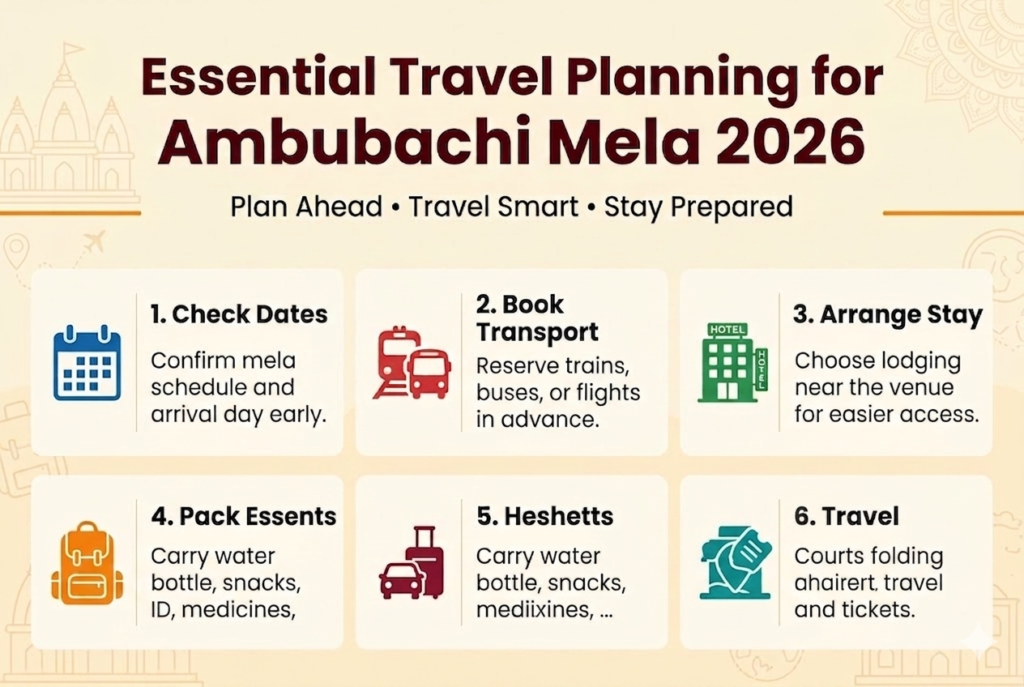
Your arrival timing for Ambubachi Mela 2026 will make or break your pilgrimage experience. The festival typically falls in June, spanning four days when the Kamakhya Temple remains closed to symbolize Goddess Kamakhya’s menstruation period. Plan to reach Guwahati at least two days before the temple closure begins.
You’ll want to arrive early because millions of devotees converge on the city during this time. Getting there 48-72 hours ahead gives you time to settle in, scout the area, and avoid the massive crowds that arrive on the main festival days. The temple opens on the fourth day with great fanfare, and this is when you’ll witness the most spectacular celebrations.
For your stay duration, budget for 5-7 days total. This includes your pre-arrival buffer, the four festival days, and a day or two afterward when crowds thin out. Many pilgrims make the mistake of rushing back immediately after darshan, missing the beautiful post-festival atmosphere when you can explore the temple complex more peacefully.
Why millions of devotees visit Kamakhya Temple during this period
Your participation in this mass pilgrimage connects you to a belief system that celebrates rather than shames natural feminine cycles. Unlike many religious traditions that consider menstruation impure, Ambubachi Mela 2026 will show you a completely opposite perspective where this natural process becomes the focal point of worship.
The festival attracts diverse crowds – from traditional Hindu families to international spiritual seekers. You’ll meet people who travel thousands of miles believing that prayers offered during this time carry exceptional power. Many couples seeking fertility blessings specifically time their visit to coincide with Ambubachi Mela.
The transformative spiritual experience draws repeat visitors year after year. You’ll find that many devotees consider this pilgrimage essential for their spiritual growth, viewing the goddess’s blessing during her most powerful time as life-changing. The festival’s unique celebration of feminine divinity offers you insights into ancient wisdom that honors the sacred feminine in ways rarely seen in contemporary religious practices.
The weather in June can be quite humid and rainy, so pack accordingly. Temperatures hover around 25-30°C with high humidity levels. Your clothing choices should prioritize comfort and quick-drying fabrics since you’ll be spending considerable time outdoors.
Transportation options to reach Guwahati
Getting to Guwahati for Ambubachi Mela 2026 requires advance planning, especially for air travel. Lokpriya Gopinath Bordoloi International Airport serves as your primary gateway, connecting major Indian cities like Delhi, Mumbai, Kolkata, and Bangalore. Book your flights at least 2-3 months ahead as prices skyrocket during festival season.
Flight Options:
- Direct flights from Delhi, Mumbai, Kolkata, Bangalore
- Connecting flights through these hubs from smaller cities
- Budget airlines: IndiGo, SpiceJet offer competitive rates
- Premium options: Vistara, Air India for comfort
If you prefer train travel, Guwahati Railway Station connects to most major Indian cities. The Rajdhani Express from Delhi and Saraighat Express from Howrah are popular choices. Book your tickets well in advance through IRCTC as trains fill up quickly during festival season.
Key Train Routes:
- Rajdhani Express (New Delhi to Guwahati): 17-18 hours
- Saraighat Express (Howrah to Guwahati): 19-20 hours
- Northeast Express (Delhi to Guwahati): 24-25 hours
Bus services operate from neighboring states, but they’re time-consuming and less comfortable during the monsoon season. State transport corporations from West Bengal, Bihar, and other northeastern states run special festival services.
Local transport arrangements within the city
Once you’re in Guwahati, navigating to the Kamakhya Temple requires strategic planning. The temple sits atop Nilachal Hill, about 8 kilometers from the city center. During Ambubachi Mela, regular traffic patterns go completely haywire.
Your best bet is using app-based services like Uber or Ola, though surge pricing applies during festival days. Book rides well in advance or consider shared auto-rickshaws that run regular routes to the temple. Local buses also operate, but they get extremely crowded during the festival.
Transport Options to Kamakhya Temple:
Auto-rickshaws: ₹150-300 depending on distance and time
App cabs: ₹200-500 with surge pricing
Local buses: ₹10-20 but very crowded
Private taxis: ₹800-1500 for full-day hire
Walking is actually a viable option for the final approach to the temple. Many devotees prefer trekking the hill path, which takes about 45 minutes from the base. This spiritual walk is part of the pilgrimage experience for many visitors.
Consider staying near the temple area to minimize daily travel hassles. Accommodations on Nilachal Hill or nearby areas reduce your dependence on transport during peak hours when roads become gridlocked.
Booking tickets and advance reservations
Your Ambubachi Mela 2026 experience hinges on smart advance booking strategies. Unlike many festivals, there’s no entry ticket for the temple itself, but you’ll need reservations for everything else – transport, accommodation, and special darshan arrangements.
Start your bookings 3-4 months before the festival dates. Flight and train tickets should be your first priority, followed immediately by accommodation. Hotels near Kamakhya Temple fill up within days of opening their bookings.
Your best bet is using app-based services like Uber or Ola, though surge pricing applies during festival days. Book rides well in advance or consider shared auto-rickshaws that run regular routes to the temple. Local buses also operate, but they get extremely crowded during the festival.
Priority Booking Checklist:
Flight/train tickets (3-4 months ahead)
Hotel accommodation (2-3 months ahead)
Return transportation (same time as arrival)
Travel insurance (1-2 months ahead)
Special darshan arrangements sometimes become available through the temple committee or local tour operators. These aren’t always guaranteed, but they can significantly reduce your waiting time during peak festival hours. Contact the Kamakhya Temple administration directly for authentic information about any special arrangements.
Many tour operators offer complete Ambubachi Mela packages including transport, accommodation, and guided temple visits. While more expensive, these packages handle all logistics and can be worth the premium if you’re traveling from far distances or prefer hassle-free arrangements.
Keep digital and physical copies of all your bookings. Network connectivity can be spotty during the festival, so having physical copies ensures you can access your reservations when needed. Your preparedness in booking will directly impact how smoothly your pilgrimage unfolds.
Accommodation Options and Booking Strategies

Budget-friendly hotels and guesthouses near Kamakhya Temple
You’ll find several wallet-friendly options within walking distance of Kamakhya Temple that won’t break your Ambubachi Mela 2026 budget. Hotel Kamakhya and Hotel Nilachal offer basic but clean rooms starting around ₹800-1,200 per night during the festival period. These properties understand the needs of pilgrims and provide early morning tea service and simple vegetarian meals.
Guest House Kamakhya Hills stands out for its peaceful atmosphere and proximity to the temple complex. You can book rooms here for ₹600-1,000, though prices typically surge during Ambubachi Mela. The property offers shared bathroom facilities and dormitory-style accommodations that work well for solo travelers or groups looking to minimize costs.
Local guesthouses run by families in the Kamakhya area provide authentic experiences at reasonable rates. You’ll pay around ₹400-800 per night and get home-cooked meals, insider tips about the festival, and a chance to connect with fellow devotees. These stays often include basic amenities like hot water and Wi-Fi, though luxury features are limited.
Premium hotels and resorts in Guwahati city center
Your Ambubachi Mela accommodation can include luxury if you prefer comfort after long darshan queues. Radisson Blu Guwahati offers premium rooms with modern amenities, spa services, and multiple dining options. During Ambubachi Mela 2026, expect rates around ₹8,000-12,000 per night for their well-appointed rooms with city views.
Hotel Dynasty provides excellent service with rates ranging from ₹4,000-7,000 during the festival period. You’ll enjoy spacious rooms, 24-hour room service, and a convenient location that’s about 20 minutes from Kamakhya Temple by taxi. Their restaurant serves both vegetarian and non-vegetarian cuisine, catering to diverse dietary preferences.
Vivanta Guwahati stands as another top choice, offering sophisticated accommodations with business center facilities, fitness center, and multiple restaurants. Your stay here during Ambubachi Mela will cost approximately ₹6,000-9,000 per night, but you’ll get luxury amenities and professional service that make the splurge worthwhile.
Dharamshala and ashram stays for spiritual travelers
Spiritual seekers can immerse themselves completely in the Ambubachi Mela experience through dharamshala and ashram accommodations. Kamakhya Temple itself operates a dharamshala offering basic rooms at nominal charges of ₹100-300 per day. You’ll need to book these well in advance as they fill up quickly for the festival.
Umananda Temple Dharamshala, located on Peacock Island, provides a unique spiritual retreat experience. You can stay here for ₹200-500 per night and participate in daily prayers and meditation sessions. The peaceful island setting offers respite from the festival crowds while keeping you connected to the spiritual energy.
Several private ashrams around Guwahati welcome devotees during Ambubachi Mela. Sanatan Dharma Ashram and Ramakrishna Mission offer simple accommodations with shared facilities, vegetarian meals, and spiritual programs. Your contribution typically ranges from ₹300-600 per day, including meals and participation in ashram activities.
Alternative lodging options including homestays and hostels
Homestays through platforms like Airbnb and local networks provide authentic Assamese cultural experiences during your Ambubachi Mela pilgrimage. You’ll pay ₹1,000-2,500 per night and stay with local families who can share insights about Assamese traditions, recommend local eateries, and help navigate the festival crowds.
Backpacker hostels in Guwahati offer budget accommodations starting from ₹400-800 for dormitory beds. Zostel Guwahati and local hostels provide clean facilities, common areas for meeting fellow travelers, and sometimes organize group trips to Kamakhya Temple during the festival.
Co-living spaces have emerged as popular options for longer stays during Ambubachi Mela 2026. These fully furnished accommodations offer flexible booking terms and community living experiences, with rates typically ranging from ₹1,200-2,000 per night depending on the space and location.
Early booking tips to secure the best rates
Your Ambubachi Mela accommodation booking should begin at least 3-4 months before the festival dates. Hotels and guesthouses typically release their inventory 90-120 days in advance, and early birds often secure 20-30% better rates compared to last-minute bookings.
Monitor multiple booking platforms and directly contact properties for the best deals. Many hotels offer early bird discounts or package deals that include meals and transportation to Kamakhya Temple. You can often negotiate better rates by booking directly with properties rather than through third-party platforms.
Consider flexible booking options that allow free cancellation up to a certain date. This strategy lets you secure accommodation while continuing to search for better deals. Many travelers book multiple properties and cancel the more expensive options once they confirm their final choice.
Set up price alerts on booking platforms and consider booking accommodations for the entire week surrounding Ambubachi Mela, even if you plan a shorter visit. You can always adjust your dates later, and having confirmed accommodation removes one major stress factor from your pilgrimage planning.
Complete Darshan Guide and Temple Protocols
Queue Management and Expected Waiting Times
Your experience at Kamakhya Temple during Ambubachi Mela 2026 will largely depend on how well you plan for the crowds. Expect waiting times ranging from 4-8 hours for general darshan, with peak hours between 6 AM to 10 AM and 4 PM to 8 PM seeing the longest queues. The temple authorities implement a systematic queue management system with separate lines for different categories of devotees.
You’ll find designated entry points with numbered gates – Gates 1 and 2 handle general devotees, while Gate 3 serves elderly visitors and those with disabilities. Your best strategy involves arriving before dawn (around 4 AM) to secure a spot in the morning queue, or consider visiting during off-peak hours like late evening (after 9 PM) when crowds thin out significantly.
The temple administration uses digital tokens during peak festival days, so you might need to collect your token first before joining the actual darshan queue. Keep your phone charged as many devotees use queue tracking apps that provide real-time updates on waiting times. Carry sufficient water, light snacks, and wear comfortable footwear since you’ll be standing for extended periods.
Dress Code and Items Allowed Inside Temple Premises
Your attire plays a crucial role in gaining entry to the Kamakhya Temple complex during Ambubachi Mela. Traditional Indian clothing works best – men should wear dhoti-kurta, shirt-pant, or traditional ethnic wear, while women are encouraged to wear sarees, salwar-kameez, or modest Indian outfits. Avoid wearing shorts, mini-skirts, sleeveless tops, or revealing clothing as temple authorities strictly enforce these guidelines.
You can bring essential items like your wallet, important documents, medicinal supplies, and small offerings like flowers or prasad. However, security restrictions prohibit leather items (belts, shoes, bags), electronic devices (cameras, power banks, Bluetooth speakers), sharp objects, and food items in plastic containers.
Your mobile phone is typically allowed but must be switched to silent mode. Temple authorities provide free cloakroom facilities where you can safely store prohibited items before entering the sanctum. Women devotees can carry small cloth bags with basic necessities, but avoid bringing large purses or backpacks that might slow down security checks.
Special Darshan Options and VIP Arrangements
Your pilgrimage experience can be enhanced through various special darshan packages available during Ambubachi Mela 2026. The temple offers VIP darshan tickets starting from ₹500, which significantly reduce your waiting time to approximately 1-2 hours instead of the standard 6-8 hours. These tickets are available online through the official temple website and at designated counters near the temple complex.
You can also opt for the premium darshan package (₹1000-2000) that includes guided temple tours, priority entry, and refreshments. Senior citizens above 65 years and differently-abled devotees receive complimentary fast-track darshan with proper identification. Pregnant women and those with medical conditions can request special assistance through the temple helpdesk.
Your group bookings (minimum 25 people) qualify for special group darshan arrangements with dedicated time slots. Temple priests conduct special puja services for devotees willing to pay additional charges ranging from ₹501 to ₹5000, depending on the ritual complexity. Book these services well in advance as availability becomes limited during the festival period.
Photography Rules and Cultural Etiquette
Your photography inside Kamakhya Temple follows strict regulations that you must respect throughout your visit. Photography is completely prohibited inside the main sanctum where the deity resides. You can capture memories in the outer courtyard areas and temple complex grounds, but always ask permission from other devotees before including them in your shots.
Your behavior should reflect the sacred nature of this Ambubachi Mela pilgrimage. Maintain silence or speak in hushed tones while inside temple premises. Remove your footwear at designated areas and wash your hands and feet before entering the main temple. Avoid pointing your feet toward the deity and always approach the sanctum with folded hands.
You should participate respectfully in temple rituals even if you’re unfamiliar with the customs. Follow the lead of other devotees and temple staff. Offer donations in the designated areas rather than directly to individuals. Your respectful attitude toward local customs, including greeting others with “Namaskar” and maintaining modest behavior, will enhance your spiritual experience.
During peak festival days, you might encounter various sadhus and spiritual practitioners. Show respect but avoid engaging in lengthy conversations that might disrupt the queue flow. Your patience and understanding during crowded situations will contribute to a peaceful environment for all pilgrims visiting this sacred Kamakhya Temple festival.
Smart Tips for a Hassle-Free Pilgrimage Experience
Essential Items to Pack for the Festival
Packing smart for your Ambubachi Mela 2026 journey makes all the difference between a comfortable pilgrimage and a stressful experience. Your checklist should start with a sturdy, waterproof backpack that can handle the unpredictable Assamese monsoon weather. Pack lightweight, quick-dry clothing in cotton or moisture-wicking fabrics – you’ll want at least three changes of clothes since laundry facilities might be limited.
Don’t forget your essential documents in a waterproof pouch: ID proof, train/flight tickets, hotel confirmations, and emergency contact numbers. Bring a portable phone charger and power bank since charging points are scarce during peak festival days. A small first-aid kit with basic medicines, antiseptic cream, and band-aids proves invaluable in crowded conditions.
Pack comfortable walking shoes with good grip – the temple paths can get slippery during monsoons. Include a lightweight raincoat or umbrella, and always carry a small towel for unexpected downpours. Your spiritual items like prayer books, offering materials, and a small mat for sitting during long waits will enhance your devotional experience.
Safety Precautions and Crowd Management Strategies
Managing crowds during the Ambubachi Mela Kamakhya Temple festival requires strategic planning and constant awareness. You’ll encounter massive gatherings, especially during the main darshan days, so staying close to your group becomes your top priority. Establish meeting points with your travel companions in case you get separated – choose easily identifiable landmarks near the temple complex.
Keep your belongings secure by using a money belt or hidden waist pouch for valuables. Avoid carrying large amounts of cash or expensive jewelry that might attract unwanted attention. Your phone should have emergency contacts saved and consider sharing your location with family members throughout your Ambubachi Mela Guwahati visit.
Navigate crowds by following the designated pathways and respecting the queue system established by temple authorities. Never push against the crowd flow – if you feel overwhelmed, move to the sides and wait for the crowd to thin. Stay hydrated and take regular breaks to avoid exhaustion in the dense crowds.
Watch for pickpockets in busy areas and keep your bag zipped and in front of your body. If traveling with children or elderly family members, consider rope or fabric ties to keep everyone connected in extremely crowded sections.
Food and Water Safety Guidelines
Your health depends heavily on smart food and water choices during the Ambubachi Mela pilgrimage. Stick to bottled water from reputable brands and avoid tap water completely, including ice cubes in drinks. Pack oral rehydration salts to combat dehydration from the humid climate and long hours of standing.
Choose hot, freshly cooked food from busy stalls where turnover is high – this ensures the food hasn’t been sitting around for hours. Avoid raw vegetables, salads, cut fruits, and dairy products from street vendors. Your safest bets are steamed rice, dal, simple curries, and freshly made rotis or parathas.
Pack some dry snacks like crackers, nuts, or energy bars for times when finding safe food becomes challenging. If you have dietary restrictions or allergies, carry your own meals or identify restaurants that can accommodate your needs before arriving.
Always wash your hands before eating or use hand sanitizer frequently. Watch for signs of food poisoning like nausea or stomach cramps, and seek medical help immediately if symptoms persist.
Money Management and Emergency Contact Information
Smart money management during your Ambubachi Mela 2026 journey prevents unnecessary stress and potential safety issues. Divide your cash into multiple small amounts stored in different locations – some in your wallet, some in your bag, and emergency money hidden separately. ATMs around the temple area often run out of cash during peak festival days, so carry sufficient funds for your entire stay.
Keep emergency contact numbers saved in multiple places: your phone, written on paper in your wallet, and with a trusted travel companion. Include local police, hospital, your accommodation, and family back home. Register with your hotel’s front desk and inform them about your daily temple visit plans.
Consider carrying a backup phone or ensuring your travel partner has a working device. Download offline maps of Guwahati and the temple area before your trip. Keep photocopies of important documents separate from originals, and store digital copies in cloud storage.
Set up a check-in schedule with family members so they know you’re safe throughout your pilgrimage journey.
Weather Preparations and Health Considerations
June weather in Guwahati during Ambubachi Mela brings intense humidity and frequent rainfall, making health preparations essential for your comfort and safety. Pack lightweight, breathable clothing that covers your arms and legs to protect against mosquitoes while keeping you cool. Include a good-quality mosquito repellent since the monsoon season increases mosquito activity.
Your medicine kit should include anti-diarrheal medication, pain relievers, antihistamines for allergies, and any prescription medications you regularly take. Pack extra supplies since pharmacies near the temple get crowded and may run out of common medicines.
Stay hydrated constantly but balance water intake to avoid frequent bathroom breaks during darshan queues. Recognize heat exhaustion symptoms like dizziness, nausea, or excessive fatigue, and rest immediately in shaded areas if you experience them.
Consider wearing a hat or carrying a small umbrella for sun protection during outdoor waiting periods. Your feet need extra care – pack antifungal powder to prevent infections in the humid conditions, and ensure your shoes dry completely each night to avoid bacterial growth.
Plan rest periods throughout your day since the combination of crowds, heat, and spiritual intensity can be physically and emotionally draining.
Conclusion
The Ambubachi Mela offers you a deeply spiritual journey that goes beyond just visiting a temple. You’ll experience centuries-old traditions, witness devotion in its purest form, and connect with thousands of fellow pilgrims who share your spiritual quest. Planning ahead for 2026 means securing better accommodations, avoiding crowds, and having enough time to truly absorb the sacred atmosphere that makes this festival so special.
Your pilgrimage to the Kamakhya Temple during Ambubachi will stay with you long after you return home. Start booking your travel and stay early, pack light but smart, and keep your mind open to the transformative experience that awaits. Remember that patience and respect for local customs will make your journey smoother and more meaningful. This isn’t just a trip – it’s a chance to be part of something sacred that has been celebrated for generations.